
A single burst pipe during a Northeast Ohio cold snap can turn a profitable rental into a landlord’s winter nightmare. Frigid Lake Erie winds don’t just chill the air—they can threaten your investment, strain tenant relationships, and lead to costly emergency repairs if overlooked. Staying ahead of winter property maintenance is not just about avoiding headaches; it’s about protecting your assets and giving tenants peace of mind through proactive care.
Ohio landlords face unique seasonal challenges, from unpredictable freeze-thaw cycles to heavy snowfalls that test even the most diligent property owners. By staying alert to problem spots—like vulnerable plumbing, entryways, heating systems, and roof integrity—landlords can safeguard their rentals. With insights from NEO Rental Agent, a trusted name in Northeast Ohio property management, you’ll discover practical strategies and an organized approach that reflects the realities of winter upkeep: focused effort now prevents bigger problems later, making for safer properties and more reliable investments.
Winter doesn’t just test your tenants’ patience—it tests the resilience of your investment. At NEO Rental Agent, we believe smart landlords know that braving the cold starts with a proactive property checklist, not wishful thinking.
Reference:
Essential Winter Home Maintenance Checklist for Landlords
Introduction
Winter brings unique challenges for property owners in Ohio, making it essential for landlords to prioritize winterization efforts. The combination of freezing temperatures, heavy snowfall, and persistent ice can cause significant property damage if not addressed. Ignoring winter risks often leads to burst pipes, cracked foundations, and expensive emergency repairs—especially in older homes found throughout Cleveland, Akron, and Lorain.
Every winter, Northeast Ohio experiences multiple freeze-thaw cycles, with daily lows frequently dipping below 20°F from December through February. According to the National Weather Service, cities like Cleveland record an average of over 60 inches of snowfall annually. These weather patterns not only threaten building integrity but also impact tenant safety and satisfaction, increasing maintenance calls and liability concerns for landlords.
Why Winterizing Rental Properties in Ohio Matters
Owners who invest in winter preparedness protect both their assets and tenants. Routine actions—such as insulating exposed plumbing and servicing heating systems—can prevent water damage and reduce heating emergencies. For example, one Akron-based landlord avoided a $7,000 repair bill by scheduling an autumn furnace check-up that revealed a failing heat exchanger before prolonged subzero temperatures set in.
Proactive winterization also assures tenants that their comfort and safety are valued. This can increase lease renewals and reduce turnover costs. In highly competitive Northeast Ohio rental markets, showing responsiveness to winter risks can make a property more attractive.
This Guide at a Glance
Landlords seeking to navigate winter’s pitfalls will find this guide essential for Ohio-specific readiness. It outlines practical, step-by-step strategies covering insulation, exterior maintenance, emergency planning, and tenant communication. Each section translates best practices into actionable checklists tailored to the region’s toughest winter conditions.
For property owners wanting expert support, NEO Rental Agent brings 26 years of deep experience in Northeast Ohio. Their single-team approach ensures comprehensive, reliable service—spanning property acquisition, management, and seasonal maintenance—all informed by a nuanced understanding of local climate and regulatory needs.
1. Inspect and Prepare the Exterior to Withstand Ohio Winters
Winter in Northeast Ohio brings freezing temperatures, lake-effect snow, and ice that can quickly turn small exterior issues into major headaches for property owners. Preparing your property’s exterior is the first line of defense against winter hazards—and it’s essential for minimizing costly repairs and keeping tenants safe. Experienced property management teams, like NEO Rental Agent, recommend a systematic approach to addressing winter weather risks specific to the region.
Check and Repair Roofs, Gutters, and Downspouts
Start by thoroughly inspecting the roof. Look for torn shingles, missing flashing, or evidence of leaks, which can become critical under the weight of heavy snow. Cleveland-based roofing company Absolute Roofing & Construction has reported a 20% spike in emergency calls during December and January due to preventable winter leaks. Address any repairs before the snow arrives to avoid these last-minute emergencies.
Clear your gutters and downspouts of leaves and debris. Clogged gutters can cause water to back up and freeze, leading to ice dams that damage roofs and walls. The Winter Maintenance Checklist for Landlords highlights the importance of this step for all landlords in Ohio.
Inspect Siding, Windows, and Doors for Drafts or Damage
Walk around the exterior and check for cracked siding or gaps around windows and doors. Drafts can send heating bills skyrocketing—up to 30% of energy loss in the average Lorain rental home is traceable to poorly sealed windows and doors.
In NEO Rental Agent’s experience managing historic homes in Akron, updating worn caulking and replacing rotted trim have prevented both energy loss and long-term structural issues caused by moisture intrusion.
Ensure Weatherstripping and Seals Are Intact
Close inspection of weatherstripping on all exterior doors and operable windows is critical, particularly in older duplexes common in Cleveland and Elyria. Faulty seals can create noticeable drafts.
Local hardware stores like Cleveland’s Home Depot on Brookpark Road offer a wide variety of weatherstripping options. Consulting with property management professionals ensures you select materials rated for Northeast Ohio’s climate.
Safeguard Driveways, Walkways, and Outdoor Stairs Against Ice Hazards
Slippery outdoor surfaces lead to frequent injury claims in winter. Use a snow-melt product, such as Safe Step’s salt blends approved by the Ohio Department of Transportation, on driveways and walkways after clearing snow.
If your property includes multiple units or sees high tenant foot traffic, consider installing handrails or non-slip treads on exterior stairs. These precautions not only reduce liability but keep your residents safer throughout the harsh winter months.
2. Winterize HVAC and Plumbing Systems to Prevent Costly Issues

In Northeast Ohio, frigid temperatures and lake-effect snow can cause significant challenges for property owners. Preparing HVAC and plumbing systems before winter sets in is vital to avoid breakdowns, property damage, and costly emergency repairs. Preventative maintenance is not only about comfort—it’s about safeguarding your property’s value and ensuring tenants aren’t inconvenienced by avoidable issues.
For landlords and real estate investors working with NEO Rental Agent, proactive winterization is a foundational aspect of maximizing property longevity and minimizing insurance claims due to winter-related damage. Here’s how to tackle essential winter prep:
Service and Tune-Up Furnaces and Boilers
Schedule annual inspections and professional tune-ups for furnaces and boilers. Heating system failures are not only inconvenient but can also put pipes and residents at risk during a cold snap. In 2022, nearby Shaker Heights reported a 20% spike in emergency furnace calls during a severe cold front, a situation many believe could have been avoided with routine maintenance.
NEO Rental Agent partners with local certified HVAC technicians who check heat exchangers for cracks, lubricate bearings, and ensure safe, efficient operation. Many property managers in Cleveland schedule these checks by October to ensure systems are ready before the first freeze.
Replace Air Filters and Check Venting Systems
Dirty air filters restrict airflow and can cause systems to overwork, increasing both energy costs and the likelihood of breakdowns. Replace filters at least every three months, or monthly for properties with pets or high occupancy. According to the Energy Star program, clean filters can improve HVAC efficiency by up to 15%.
It’s critical to check that exhaust vents are clear of obstructions like nests, leaves, or ice. Blocked vents can cause dangerous carbon monoxide buildup, an all-too-common issue in older Cleveland apartment buildings. NEO Rental Agent routinely includes vent inspection in their seasonal checklists.
Insulate Exposed Pipes and Check for Leaks
Unprotected plumbing, especially in basements, garages, or exterior walls, is at high risk of freezing. Even a single burst pipe can cause thousands of dollars in damage. Property owners in Lorain have reported insurance claims upwards of $7,000 for water damage due to frozen pipes.
Use foam pipe insulation or heat tape for vulnerable plumbing. Also, check for leaks—tiny drips can turn into major problems because even small cracks expand rapidly in subzero temperatures. For properties managed by NEO Rental Agent, thorough pipe inspections are scheduled every fall, prioritizing attics and crawlspaces where insulation may be thin.
Drain Outdoor Faucets and Irrigation Systems
Leaving water in exterior plumbing is a leading cause of pipe bursts over winter. Draining and shutting off outdoor faucets and sprinkler systems is best done before the first hard freeze. In Akron, multiple homeowner associations now mandate proof of outdoor system winterization following several high-profile freeze-related losses in recent years.
Professional property managers, like NEO Rental Agent, use step-by-step protocols: locate and shut interior supply valves, open exterior faucets to drain remaining water, and use compressed air for irrigation lines. These extra steps can save thousands in repair bills and unplanned downtime for rental units.
Reference:
Winterizing Your Plumbing: A Complete Guide
3. Safeguard Against Water Damage and Ice Dams
Protecting your rental property from water intrusion and ice dams is essential—not only for preserving the building’s structure but also for preventing costly repairs and tenant frustration during Northeast Ohio’s harsh winters. Water damage can result in mold growth, compromised insulation, and even foundational issues. NEO Rental Agent recommends that owners proactively address these issues each season, especially since freeze-thaw cycles in Cleveland, Akron, and Lorain increase the risk.
Ensure proper gutter cleaning and drainage
Clogged gutters and downspouts are a leading cause of water damage and can significantly contribute to ice dam formation along roof edges.
Periodically remove leaves, twigs, and debris from gutters and downspouts, particularly before the first major snowfall. According to the Winter Property Maintenance Checklist for Landlords, regular gutter cleaning helps ensure meltwater can drain safely away from the property. In 2023, a Sandusky landlord avoided thousands in damage by hiring a professional crew to clear gutters on their duplex after early fall leaf drop, preventing water infiltration when a sudden thaw hit.
Inspect attic insulation and ventilation
Proper attic insulation and ventilation play a critical role in preventing ice dams. Inadequate insulation can lead to heat escaping through the roof, melting snow that then refreezes at the eaves, creating ice dams that force water beneath shingles.
Conduct a thorough assessment of attic insulation before winter hits. For Northeast Ohio properties, professionals recommend maintaining at least R-38 insulation value for optimal energy efficiency and protection. Consider installing additional soffit or ridge vents if heat buildup is detected. NEO Rental Agent encourages owners to schedule annual inspections—a local Cleveland four-plex recently resolved recurring water stains by upgrading attic insulation to Owens Corning’s blown-in system, eliminating ice dam risk.
Monitor interior ceilings for early signs of leaks
Early detection is vital; small stains or bubbling paint on upper-floor ceilings often indicate a leak that started from ice dams or backed-up gutters.
Walk through each unit after major snow events. Look for discoloration, sagging drywall, or unexplained musty odors. In Akron, a multi-family building owner discovered a hidden slow leak by noticing peeling paint in a tenant’s closet—addressing it quickly saved repair costs and maintained tenant satisfaction. Encourage renters to report any changes immediately to avoid mold and structural issues.
Address grading around the property to divert water away from the foundation
Poor grading can cause water to pool near the foundation, eventually seeping into basements or crawl spaces. This is especially problematic in older Northeast Ohio neighborhoods where soil shifts and settling are common.
Check that lawn and landscaping slope gently away from the property. A general rule: maintain a minimum six-inch drop in elevation within the first ten feet from the foundation. NEO Rental Agent recently coordinated landscaping grading for a Lorain property after repeated basement dampness—a $1,500 investment that prevented far more expensive future repairs. Strategic grading can also reduce snowmelt intrusion and foundation heaving in spring.
Reference:
Dealing with and preventing ice dams
4. Enhance Interior Comfort and Energy Efficiency
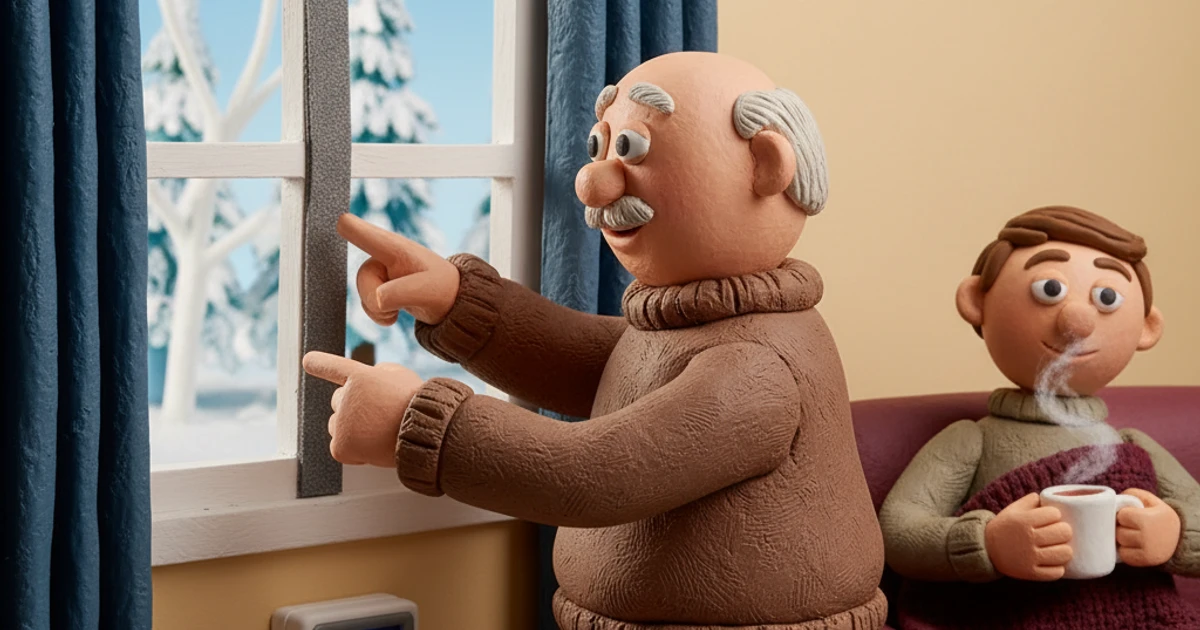
Northeast Ohio winters can be long and unpredictable, with freezing temperatures putting properties—and their occupants—to the test. For landlords and investors, protecting rentals from heat loss doesn’t just boost tenant satisfaction; it also translates into savings on utility costs and minimizes maintenance requests. Investing in energy efficiency steps now pays off throughout the season.
Proactively maintaining interior comfort is both a practical and cost-effective approach for rental property owners. Success requires a combination of attention to building details and smart upgrades that keep warm air inside where it belongs.
Check for Drafts and Apply Caulking as Needed
Drafty windows and doors are a leading cause of heat loss in older homes commonly found in Cleveland neighborhoods like Tremont and Lakewood. Conduct a detailed inspection around window frames, baseboards, and exterior doors. Feel for cold spots or use an infrared thermometer to spot temperature drops.
Where gaps are found, apply quality caulking—acrylic latex caulk, for example, is flexible and works well in Ohio’s climate shifts. The Department of Energy notes that sealing leaks can reduce heating bills by about 15%. Properties managed by NEO Rental Agent have seen lower energy costs after conducting annual caulking sweeps each fall.
Upgrade Thermostat Settings or Install Programmable Thermostats
Adjusting thermostat schedules is one of the quickest ways to optimize energy use. For properties without modern units, a simple upgrade to a programmable thermostat—like the Honeywell Home T6 or Nest—enables heat setbacks while tenants are away, automatically restoring warmth before they return home.
According to Energy Star, Northeast Ohio homes can save $50–$100 annually with proper programming. NEO Rental Agent recommends landlords in Akron proactively install these systems during turnovers to streamline efficiency and reduce tenant complaints about inconsistent heating.
Install or Inspect Weatherproofing on Windows and Doors
Weatherstripping wears down over time, especially in rentals with frequent move-ins. Inspect rubber or foam weatherproofing each autumn, checking for cracks, gaps, or missing segments. Replacing worn strips is a low-cost fix—a roll for a standard home costs under $20 and installs in less than an hour.
According to the Northeast Ohio Public Energy Council, local homes that maintain tight weatherstripping report fewer freeze damage issues and enjoy more consistent indoor temperatures.
Provide Tenants with Winter Energy-Saving Tips
Educating tenants on small changes can enhance overall efficiency. Share tips such as keeping blinds closed at night to retain heat, using door draft stoppers, and running ceiling fans clockwise to circulate warm air. Distribute a winter checklist or email guide as part of your seasonal communications.
NEO Rental Agent supplies tenants in Lorain and Summit counties with customized energy-saving tip sheets. This not only reduces energy waste but fosters goodwill and a sense of partnership between landlord and renter.
Reference:
57 Ways to Improve Your Home’s Energy Efficiency in 2025
5. Prepare for Snow and Ice Removal Responsibilities
Winter can bring significant challenges for property owners in Northeast Ohio, where heavy lake-effect snow and icy conditions are common. Effective snow and ice management isn’t just about curb appeal—it’s also a legal and safety priority. Knowing who is responsible for clearing sidewalks, driveways, and parking areas ensures properties remain safe and compliant with local laws.
Review Ohio and Local Ordinances Regarding Snow Removal
Understanding your legal obligations is the first step. Ohio law does not have a statewide residential snow removal ordinance, but almost every city and municipality establishes its own rules. For example, Cleveland requires property owners to clear sidewalks within 6 hours of snowfall ending, while Akron prescribes a 24-hour window.
Failing to comply can result in fines or even liability for slip-and-fall injuries. NEO Rental Agent stays informed on these requirements for each city they serve, ensuring properties under management never miss a compliance deadline.
Arrange for Timely, Reliable Snow and Ice Removal Services
Hiring a snow removal contractor well before winter is crucial in high-snowfall regions like Lorain and Lake counties. Most reputable providers—such as Brightview or locally based ProScape Lawn & Snow—offer seasonal contracts guaranteeing service within a set timeframe after a snowfall.
Contractors may use region-specific strategies, such as scheduling plow runs after 2 inches of snowfall, or salting walkways during overnight freezes. A well-structured contract protects landlords from service delays and provides recourse if expectations are not met. NEO Rental Agent leverages a vetted network of reliable vendors to keep properties accessible and safe during winter storms.
Stock Up on Salt, Sand, and Ice Melt
Having de-icing materials on hand can mean the difference between a cleared entry and a dangerous slip hazard. Sourcing supplies early in the season is essential—local shortages are common during heavy snow periods.
For instance, Lowes and Home Depot locations in Cleveland typically sell out of calcium chloride blends after late January cold spells. It’s wise to store ice melt products in easily accessible bins near each property entrance, so maintenance staff or tenants can apply them as needed, especially during peak snow events.
Communicate Snow Removal and Safety Expectations to Tenants
Clear communication mitigates confusion and reduces risk. Property owners and managers should outline tenant and landlord responsibilities within lease agreements and send seasonal reminders outlining expectations around snow removal and safe pathways.
For example, at one NEO Rental Agent-managed duplex in Lakewood, tenants are required to clear front steps but the landlord contracts professional services for the driveway and walkways. Transparent policies—shared by email, posted in common areas, or included in tenant portals—help ensure everyone remains safe and informed throughout the winter months.
Reference:
Prepare! Don’t Let a Winter Storm Take You by Surprise
6. Ensure Fire Safety and Emergency Preparedness
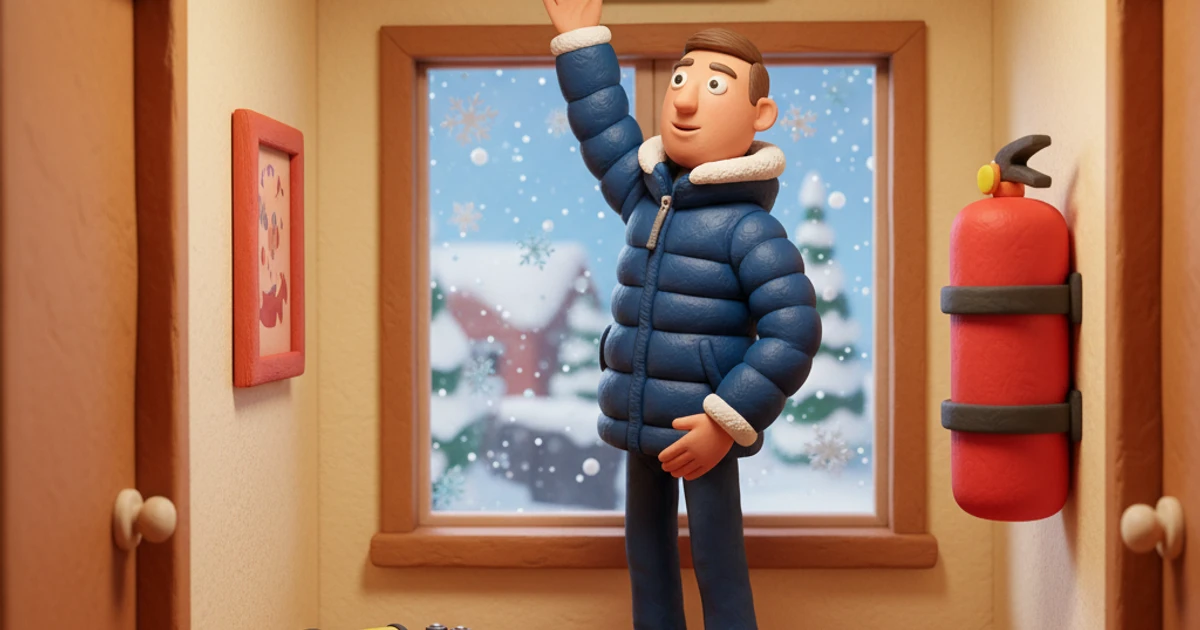
Fire safety and preparedness for emergencies form a critical foundation for protecting both property and residents. In Northeast Ohio, the risk of fire incidents tends to increase during drier winter months, and disasters such as severe storms can create sudden hazards. NEO Rental Agent leverages decades of local experience to uphold best practices, ensuring clients’ properties meet or exceed all safety codes—while providing peace of mind for property owners and tenants alike.
Test all smoke and carbon monoxide alarms
Regular alarm testing is an essential, simple step that can save lives. Ohio law requires smoke and carbon monoxide detectors in all rental units. Testing alarms monthly and replacing batteries twice a year—often timed with daylight savings changes—helps ensure they function when needed.
For example, in Cleveland’s Edgewater neighborhood, NEO Rental Agent’s property inspectors utilize devices like Kidde Smoke & Carbon Monoxide Alarms (model KN-COSM-IBA), checking for proper operation and logging test dates in their management software. Failure to test alarms can result in fines—Cuyahoga County recorded over 1,000 code infractions in 2022 related to missing or faulty alarms.
Service and inspect fireplaces, wood stoves, and chimneys
With many historic homes in Lorain and Akron featuring wood-burning fireplaces or stoves, annual servicing is a must. Blocked chimneys and buildup of creosote significantly increase fire risk. Property managers should hire certified chimney sweeps each fall, with documentation for compliance.
Pepper Pike’s Hearth & Home identified dangerous chimney obstructions in 15% of serviced properties last year—a common hazard in older Northeast Ohio housing stock. Proper maintenance not only reduces liability but can also lower insurance premiums for owners.
Update emergency contact information for all tenants
Accurate contact information streamlines communication during any crisis. At NEO Rental Agent, tenant data—including alternate contacts—is verified at lease renewal or move-in. This ensures local police or fire departments can reach the right individuals if they need to enter a unit quickly during emergencies.
As an example, strong winds from January 2024’s winter storm knocked out power across Lakewood. Proactive outreach to tenants with updated contact information helped NEO Rental Agent coordinate temporary housing for impacted residents.
Prepare and distribute emergency preparedness guides
Providing guidance helps tenants act swiftly when problems arise. Brief, locally tailored emergency guides might include evacuation procedures, shelter-in-place tips, or locations of fire extinguishers. These guides should reference Northeast Ohio-specific resources such as the Lorain County Office of Emergency Management or the Ready.gov tornado safety checklist.
NEO Rental Agent distributes printed guides in welcome packets and digital copies via email. In Akron, this approach equipped renters to respond effectively during recent severe weather events, minimizing confusion and damage.
Reference:
Emergency Preparedness and Response
7. Communicate Winter Maintenance Plans with Tenants
As winter approaches, establishing transparent communication with tenants about seasonal maintenance becomes vital for property owners and managers. Proactive outreach not only prevents costly damage but also builds trust and cooperation with renters. In Northeast Ohio, freezing temperatures, ice storms, and heavy snow can quickly create property risks if not managed properly. Clear instructions help tenants know what to expect and how to act swiftly when issues emerge.
Send seasonal maintenance reminders and instructions
Property managers can mitigate winter hazards by sending timely, detailed reminders to tenants about their responsibilities during cold months. For example, NEO Rental Agent notifies all tenants in November with a checklist covering pipe insulation, safe thermostat settings, and driveway snow removal protocols.
Mailing or emailing these reminders—supported by platforms like Buildium or AppFolio—ensures everyone is on the same page. Cases in Cleveland have shown that simple reminders about keeping faucets dripping during hard freezes have prevented water-line bursts, saving owners thousands in repairs.
Offer clear guidelines on reporting maintenance issues
Encouraging tenants to promptly report problems ensures that minor issues don’t escalate into emergencies. Provide step-by-step instructions for submitting requests, including contact numbers, online portals, and expected response times. NEO Rental Agent’s tenant portal, for instance, enables renters in Akron and Lorain to log work orders 24/7, which are automatically prioritized by urgency.
In one winter, a prompt tenant report about a broken heating vent helped NEO Rental Agent arrange a same-day fix, preventing the apartment from dropping below safe temperatures.
Encourage tenants to notify promptly about leaks or heating problems
Water leaks and heating failures can quickly turn into expensive disasters. Empower tenants by reminding them to alert management the moment they notice an issue. For example, after receiving a leak report in Euclid during a January thaw, NEO Rental Agent dispatched a plumber within hours, avoiding major water damage to multiple units.
Highlight NEO Rental Agent’s 24/7 support for urgent maintenance concerns
Finally, reassure tenants that urgent issues will always be addressed, any hour of the day. NEO Rental Agent offers a 24/7 maintenance line, ensuring emergency repairs—even on weekends or holidays—are handled immediately. In Northeast Ohio, where lake-effect snow can strike suddenly, this continuous support gives both owners and renters peace of mind knowing potential hazards will be resolved without delay.
Reference:
Keeping Your Tenants Happy Through Cold Weather
Conclusion
Reviewing the Essentials of Winter Property Maintenance
Ohio’s winters are notoriously harsh, especially throughout Northeast Ohio where sudden snowfall and freezing temperatures can wreak havoc on rental properties. For landlords, a clear winter maintenance checklist is the key to avoiding costly repairs and keeping tenants safe and comfortable when the weather turns unpredictable.
Successful winterization involves several priority actions. Always inspect roof shingles and gutters to prevent ice damming—a common winter hazard in Cleveland, which led to over $1.2 billion in insurance claims across Ohio and the Midwest in 2022. Drain exterior water lines, insulate exposed pipes, and check HVAC systems. Local landlord Jason Miller in Lorain shares that ignoring furnace inspections once caused multiple no-heat requests during a polar vortex, resulting in emergency contractor fees three times higher than a standard service call.
The Value of Proactive Winterization
Investing in upfront preparation safeguards your property’s value and brings genuine peace of mind. Thorough winterization efforts can prevent water damage, which, according to the Insurance Information Institute, often costs landlords an average of $5,000-$10,000 per incident. Keeping your property in top condition also helps retain quality tenants—families are more likely to renew leases in well-maintained homes during Northeast Ohio’s frigid months.
Depend on NEO Rental Agent for Northeast Ohio Expertise
When it comes to winter property maintenance in Northeast Ohio, local knowledge matters. With 26 years serving cities like Akron and Cleveland, NEO Rental Agent has guided hundreds of property owners through severe weather, leveraging trusted contractors and proven checklists that reflect Ohio’s unique climate and housing stock.
Whether you need a one-time winterization inspection or ongoing management, NEO Rental Agent ensures nothing is overlooked. Their integrated property management and brokerage approach means local landlords always have a single point of contact.
Stay Ahead: Maintenance and Communication
Proactive upkeep and open dialogue with tenants are crucial. Regularly schedule maintenance reminders, and educate tenants on basics like reporting drafts, checking for frozen pipes, and keeping walkways clear. A landlord in Akron saw a 40% reduction in winter service calls after establishing clear winter communication protocols with tenants using a mobile app.
Consult Ohio’s Property Management Specialists
Effectively winterizing Ohio rental properties isn’t just about checklists—it’s about ongoing support. Reach out to NEO Rental Agent for holistic property management that goes beyond winter, with seasonal guidance, tenant communication strategies, and rapid-response maintenance services tailored to local needs.
Protect your investment this winter and ensure lasting value—partner with experts who know Northeast Ohio inside and out.
FAQs
Winter maintenance for rental properties in Northeast Ohio can be complex due to harsh weather conditions and specific local regulations. Property owners, investors, and landlords need clear guidance to maintain their buildings, protect tenants, and comply with state and municipal laws. Here, we answer some of the most common questions about winterizing Ohio rentals, focusing on proven strategies and legal responsibilities specific to the region.
What is the best time to winterize a rental property in Northeast Ohio?
Preparation is key for Northeast Ohio landlords, as the region typically sees its first significant freeze between late October and early November. The best time to winterize your property is at least a month before projected cold snaps, ideally by mid-October. This ensures all systems are protected before temperatures drop below freezing.
For example, NEO Rental Agent schedules bulk winterization checks across Cleveland and Akron properties each fall by October 15th, prioritizing older units where pipes are more vulnerable. Waiting too long can mean costly repairs if early frost hits unexpectedly.
Why is it important to insulate pipes and HVAC systems in Ohio rentals?
Uninsulated pipes can freeze and burst in Ohio’s subzero temperatures, often causing thousands of dollars in water damage. Insulating pipes, especially in basements and exterior walls, greatly reduces this risk. Home Depot and Lowe’s in Lorain report increased sales of pipe wrap in early autumn, underscoring local need.
Likewise, insulating ductwork and maintaining HVAC systems helps systems run efficiently, reducing breakdowns and emergency service calls. NEO Rental Agent recommends using a professional HVAC specialist to check for leaks and insulation gaps each fall.
How can landlords reduce heating bills for tenants during winter?
Landlords can make a tangible impact on tenant comfort and utility costs by implementing affordable energy upgrades. Installing programmable thermostats—like the Honeywell T5, which can save up to 10% on annual heating bills—allows tenants to control usage.
Weather-stripping windows and doors, sealing attic leaks, and providing thermal curtains are additional steps. NEO Rental Agent recently retrofitted a 12-unit Akron building with weatherproofing materials, resulting in an average savings of $28 per unit monthly during peak winter months.
What are Ohio landlords’ legal responsibilities regarding snow removal?
Ohio law does not require landlords to remove snow from public sidewalks, but many Northeast Ohio municipalities—such as Lakewood and Cleveland—impose local ordinances mandating prompt snow removal. Most leases supported by NEO Rental Agent delegate snow clearing of driveways and walkways to landlords for multi-family units and to tenants for single-family homes.
Failing to comply with local snow removal rules may result in fines; Cleveland’s city ordinance, for instance, requires removal within six hours of snowfall ending during daylight hours.
How should I communicate winter maintenance duties to tenants?
Clear, documented communication is essential for minimizing disputes and ensuring tenant safety. This can be achieved by incorporating specific winter duties into the lease agreement and providing seasonal reminders by email or via a secure tenant portal.
NEO Rental Agent uses automated notifications to remind tenants in Medina properties about heating system upkeep and snow shoveling expectations. When responsibilities change, prompt written notification is sent to all affected renters.
When should I schedule professional inspections for my rental property’s heating system?
Annual inspections are strongly recommended to prevent mid-winter breakdowns. For best results, schedule a licensed HVAC technician to inspect and service units by early October—before peak service demand surges. Landlords managing multiple properties can benefit from a bundled service plan with a local provider like Blind & Sons, which offers discounts for bulk annual contracts in Akron and Canton.
Skipping routine inspections can lead to emergency repair costs and tenant complaints. A local Cleveland landlord who delayed maintenance in 2022 faced $3,200 in urgent furnace repairs after the first freeze—a scenario routine inspection would have prevented.
Leave a Reply